Knowing How to Code Isn’t the Only Way to Build an App Anymore
Real vibe coding examples show how AI-assisted development is lowering the barrier to experimentation — while production software still requ
At Unibrix, we build serious software with the joy of play. Often, we play with software just for the sake of joy, like the alco calculator and the calorie tracker our founder had vibe coded. This aligns with our manifesto and deep belief that any interesting idea deserves a take, and there should be no entrance barrier for experimentation.
Can’t wait for GTA VI
While waiting for GTA VI, a programmer and another IT firm founder Oleg Pasko made himself somewhere else to drive: precisely Cherkasy, our hometown in Ukraine. His browser game lets players pick up passengers, deliver parcels, chase robbers and take a car into the sky. Flying was a practical addition. Getting across the city by road sometimes took too long.
Pasko told a local media 18000 that the first working version took an evening. He continued alongside his regular work the next day, then returned to it that night. AI helped with code, research and 3D objects; OpenStreetMap, photographs and video supplied the reference material. The project cost roughly $20–30, excluding his time.
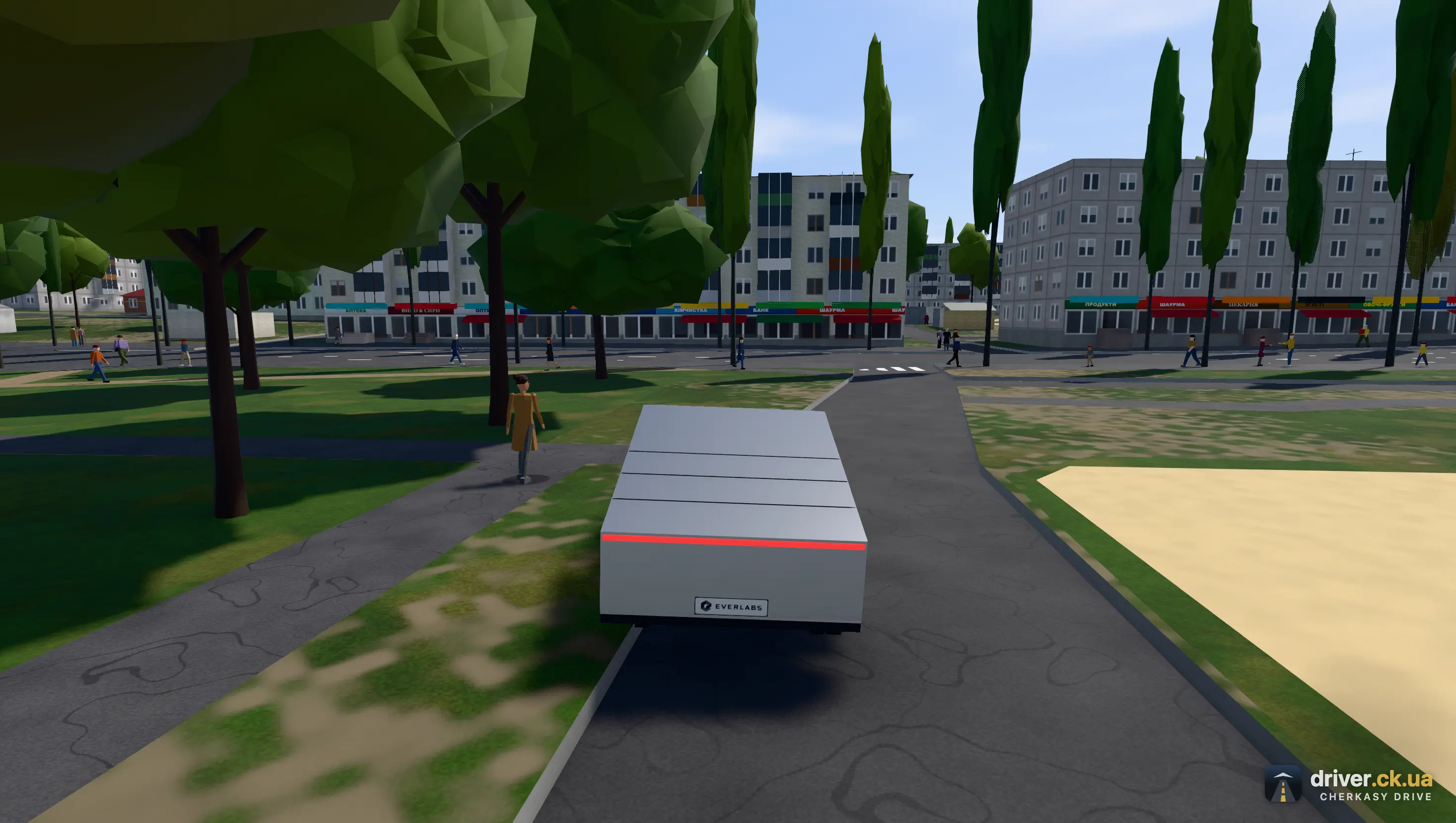
Watch the Everlabs gameplay reel.
A bigger playground
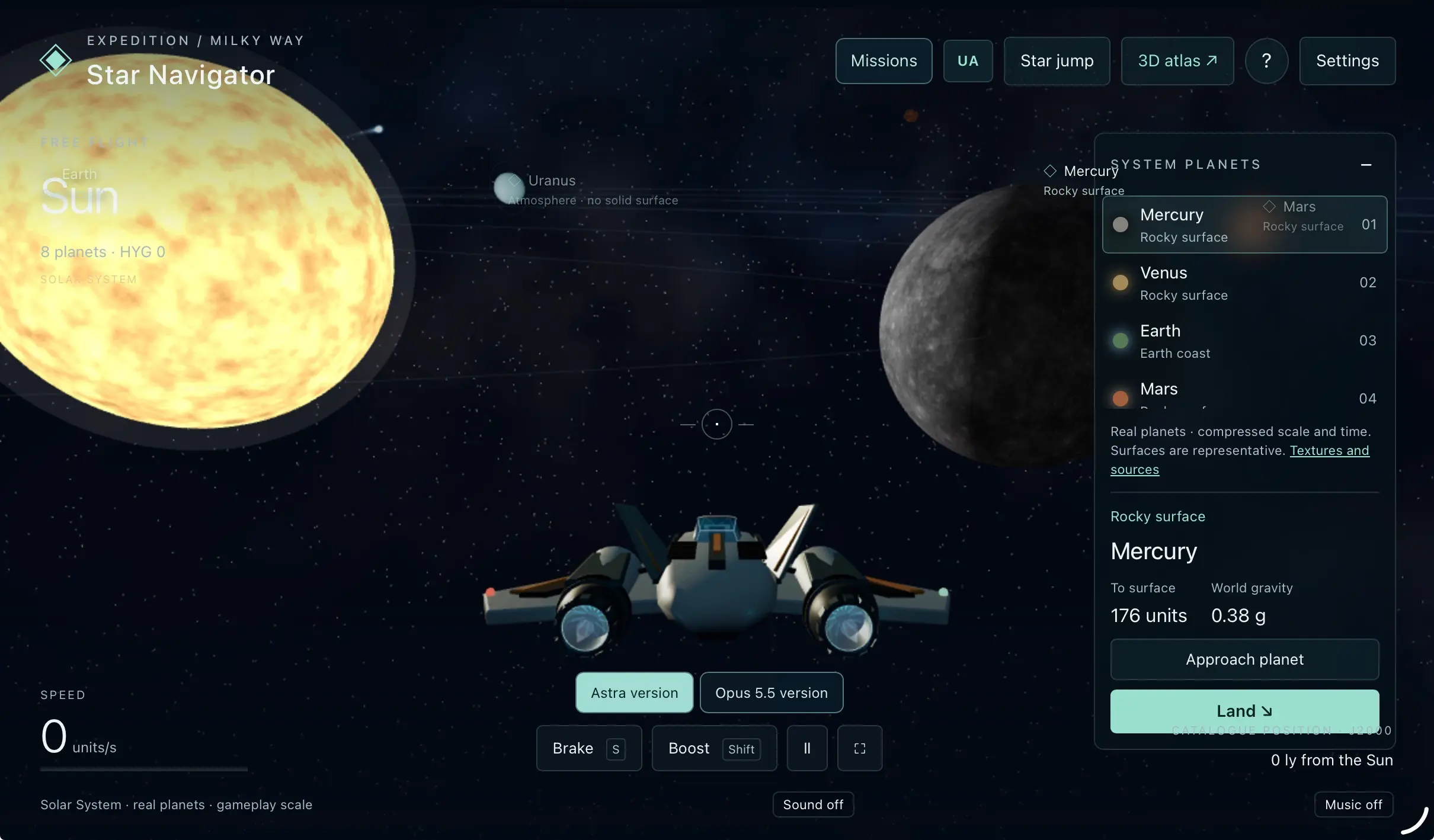
For SoftServe architect Yaroslav Klochnyk, the experiment expanded into space. GalaxyAtlas began as an interactive star atlas and developed into an environment with spacecraft, planetary landings and worlds to explore, according to his DOU build story.
Klochnyk reports roughly 190,000 star systems and a million procedural planets. The project mixes astronomical catalogue data with generated environments; those numbers describe the scope of the model, rather than a million individually observed planets.
Behind the view from the cockpit sits another experiment: managing AI agents, checking changes and deciding how much detail a browser can handle. Klochnyk uses his own technical background to keep extending a project whose original brief could easily have stayed an entertaining thought.
A city and a galaxy make persuasive demonstrations of what can now be attempted. But the more consequential stories often begin somewhere less spectacular: a kitchen table, a difficult homework session, a document someone has to check again.
A mother who built the learning tool she wanted for her son
Arlyn Gajilan’s son Tobey had support for his dyslexia, yet schoolwork still left him discouraged. Gajilan, a Reuters journalist, began experimenting with a personalised GPT that turned his interests into exercises and adjusted how it explained things.
Then Tobey asked whether she could make something for his friends.
Gajilan understood digital products but did not know how to code. She learned to work with vibe-coding tools and built the first version of Tobey’s Tutor at the kitchen table during spring break. The platform grew to include learning profiles, tailored lessons, speech input and output, and a dashboard for parents.
Scientific American documented the development. A later Epicenter NYC profile, published in January 2026, reported about two dozen subscribers. That is evidence of people choosing to use the product, although its educational effectiveness has not been established by those accounts.
For Gajilan, the build was shaped by watching where a lesson lost her son and listening when he told her what needed changing.
Watch an interview with the founder
Making AI coding tools easier to use without sight
An AI coding assistant can write code for you, but you still need to follow its responses, give instructions, and know when it needs your input. For blind users, that conversation can be difficult to navigate in a terminal, where text keeps moving and the display redraws.
BlindPilot puts that conversation into a desktop app designed for screen readers, which read on-screen content aloud. Users can navigate responses and clearly labelled controls with their keyboard, while spoken updates tell them what the coding agent is doing.
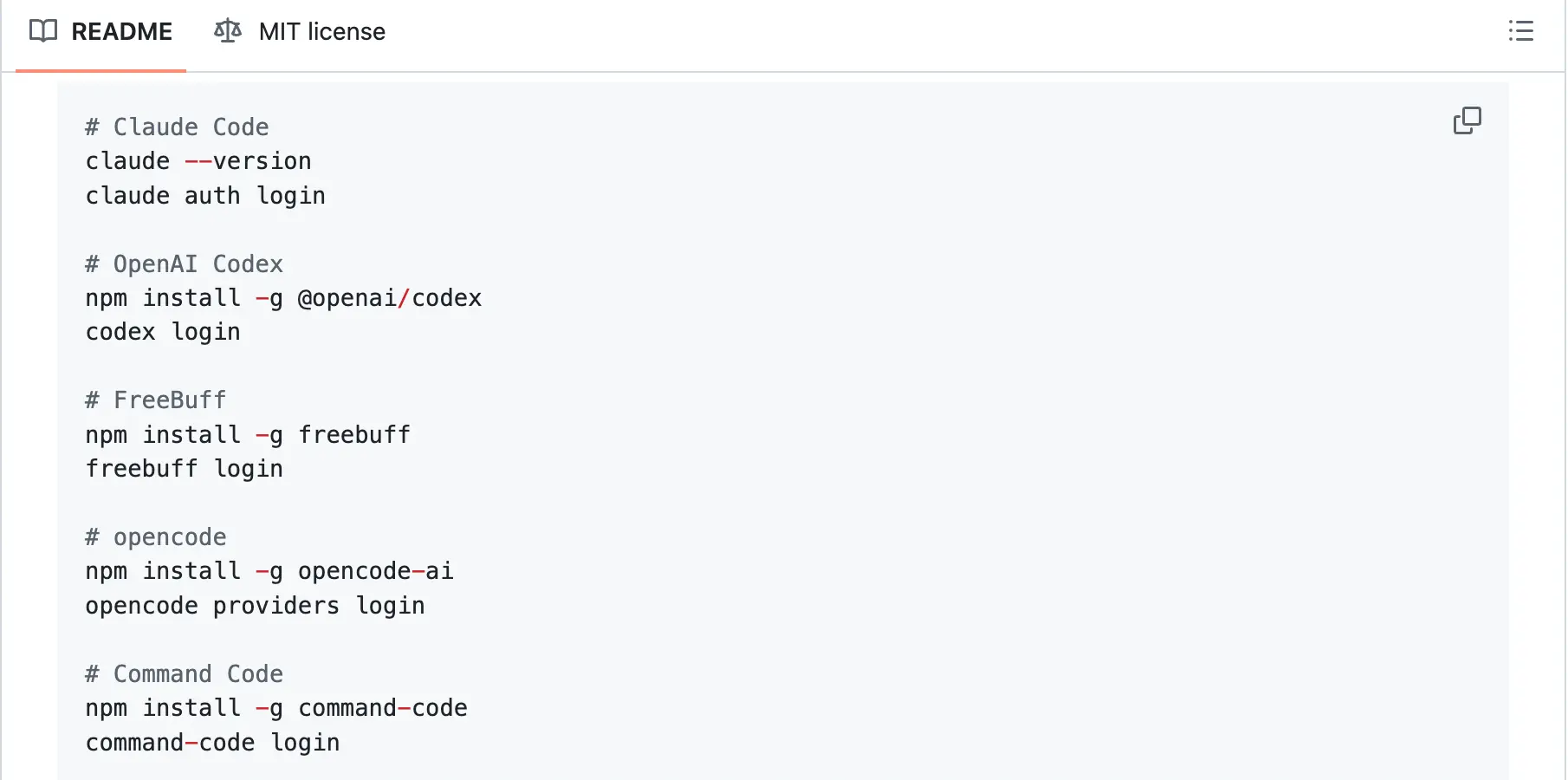
Its creator describes BlindPilot as vibe-coded and says he uses it every day. Built on an existing accessibility project called Claude Code Reader, it addresses a barrier that can otherwise get overlooked: being able to ask AI to build something depends on being able to use the tools in the first place.
A lawyer who had enough of checking for updates
British immigration lawyer Colin Yeo had a different access problem: the information existed, but keeping up with it was a job in itself. Home Office guidance changed, courts issued decisions and parliamentary material arrived through separate channels.
Yeo built the Immigration Updates Dashboard to pull those streams together. It checks for new material, keeps document histories, shows changes between versions and offers email alerts. Free Movement’s team was already using it internally when he introduced it to readers.
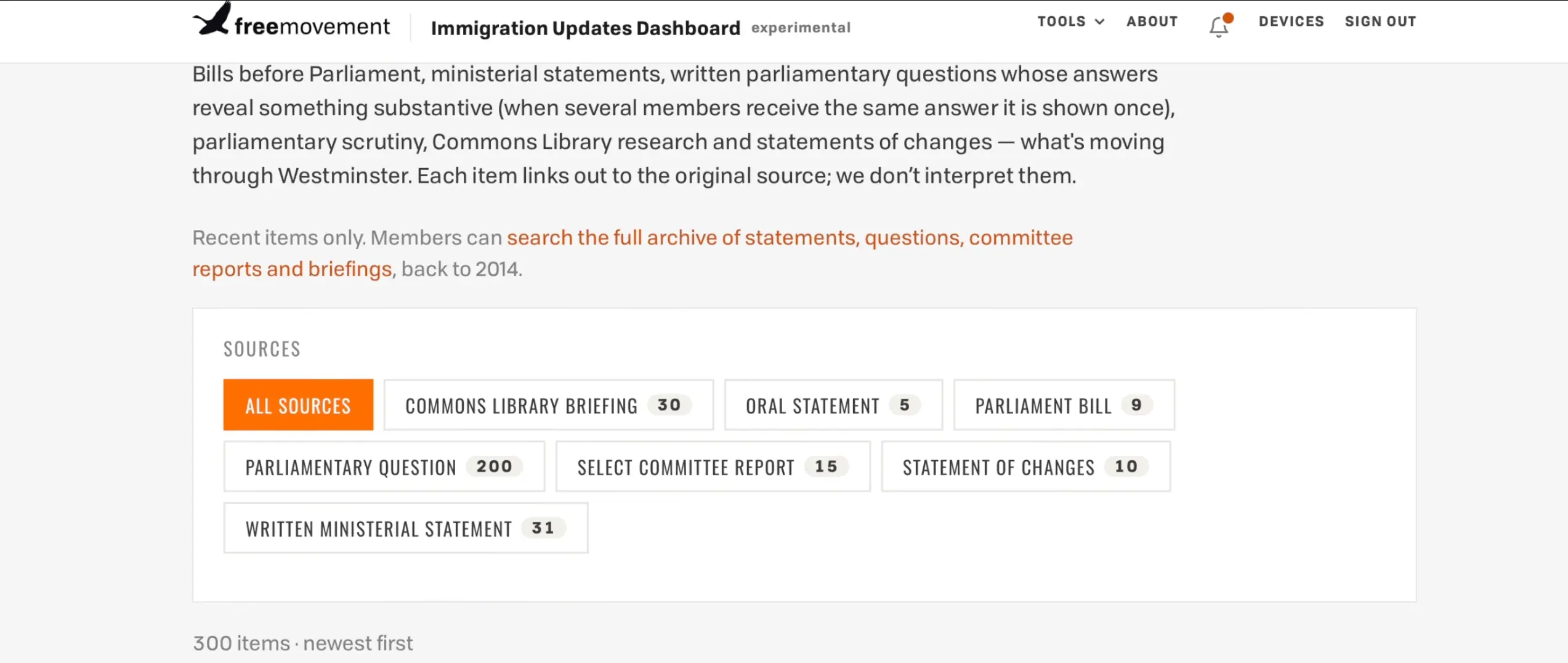
His account is explicit about the method: AI wrote the code, and the team uses it to help diagnose and fix problems. Hiring someone to build the whole system would have been commercially unviable, he says.
The distinction between building with AI and running on AI is visible here. Scheduled checks, downloads and version comparisons are coded processes. AI also helps summarise documents and filter some incoming material for relevance. Much of the value comes from putting those pieces together around a lawyer’s working day.
Four hours for a tool a radiologist needed
In South Korea, a radiologist without a programming background used Claude to build a tool for structured prostate MRI reports in approximately four hours. The experience is described in the Korean Journal of Radiology.
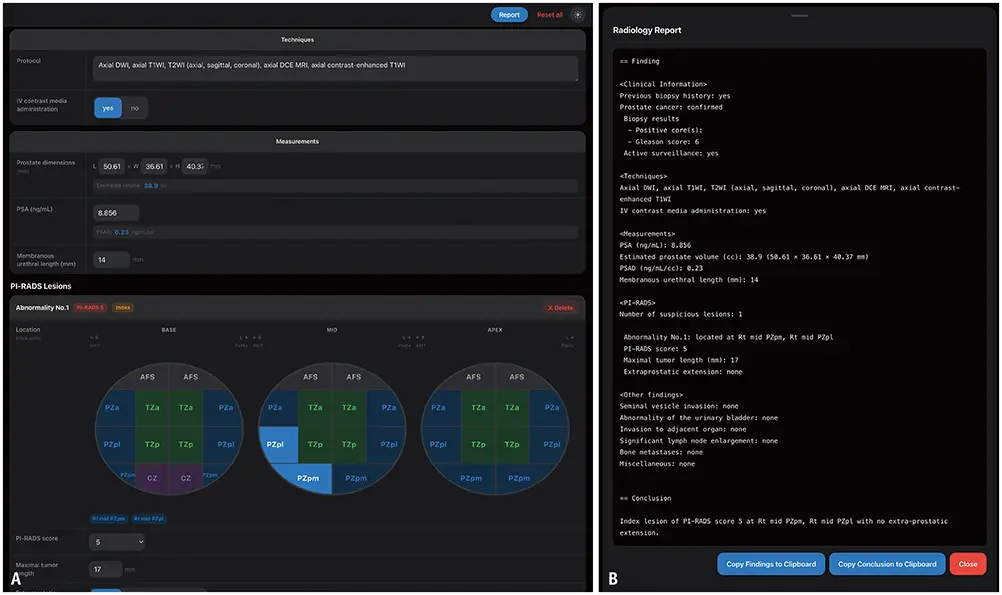
built with vibe coding and designed to run offline in a web browser
The clinician enters measurements and findings, marks the relevant areas on a sector map and receives calculations and a standardised report to copy into the reporting system. The application runs offline as a single HTML file, without network connections or fields for patient identifiers.
Its job is bounded: support the preparation of a report using information supplied by the clinician. The paper includes interface screenshots in Figure 1 and discusses the oversight such tools require. It does not establish improved patient outcomes or widespread deployment.
A professional had identified a small, repeated gap in the workflow and could finally try filling it.
The first version is only part of the story
These projects ask different things about their software. A flying car can be entertaining with imperfect physics. A learning platform needs to handle children’s information responsibly. A professional tool needs users to understand where its outputs come from and how to check them.
That responsibility survives the change in how code is written. Simon Willison’s distinction is useful here: prompting a program into existence without reviewing its code differs from development where someone understands, tests and takes responsibility for the implementation. As a result, we see an immersion of new professions like a forward deployed engineer.
What has changed is the distance between recognising a problem and being able to attempt a solution. A journalist can work on a tutoring app. A lawyer can build the monitoring system his team needs. An accessibility-focused builder can reshape the tools used to create software.
The first useful feature may come from a person who has spent years living with the problem and has only just gained a way to build around it. But taking it further and handling the underlying infrastructure responsibly requires a professional with experience.
Moombix
Kennitalan

Wooskill
technical assessment,
and project scoping.
UI/UX design, and
technical specifications.
reviews, and continuous
integration.
testing, security audits,
and bug fixes.
documentation, and
ongoing support.